Showing posts with label Hulk Hogan. Show all posts

Monday, 21 October 2024

Nostalgic Showa Pro-Wrestling figure collection review

Blog #284 Nostalgic Showa Pro-Wrestling figure collection review.

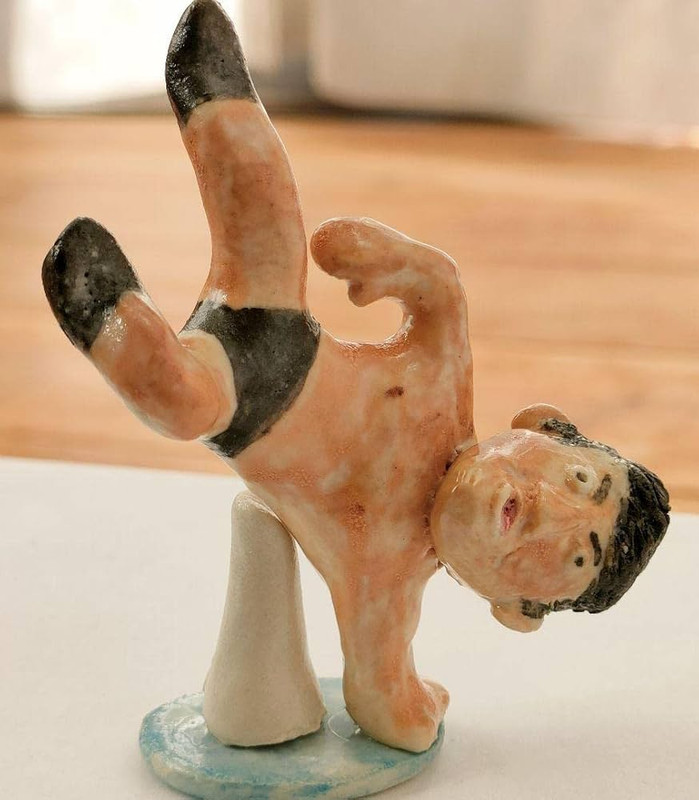
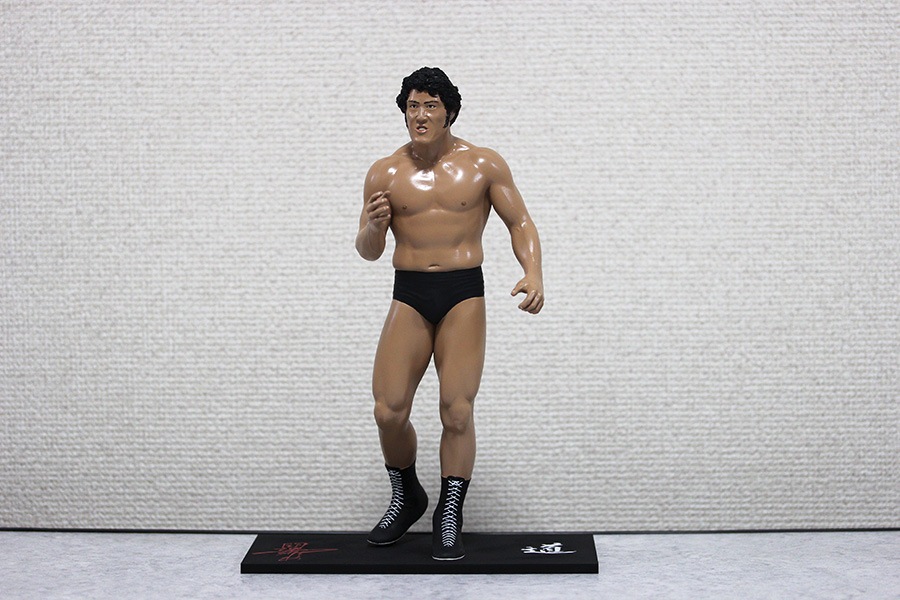
While browsing for content on the Nendo Pro-Wrestling figure exhibition, I came across two listings on Amazon Japan which caught my attention.


These figures are made of clay ceramic; which was a common trend for collectibles in Japan during the 1980's. In fact, famous Japanese Wrestler Riki Choshu had a collection of them officially made under his Riki Pro banner during the era.

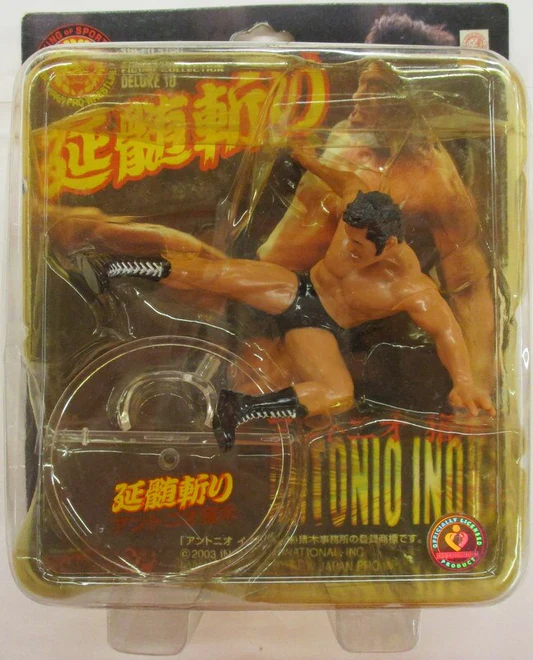
The first figure is the Fighting Spirit Enzuigiri figure. The figure is based off of Antonio Inoki performing his signature Enzuigiri finisher.


With attached stand, I was reminded of the fantastic Antonio Inoki Enzuigiri figure by Charapro. 


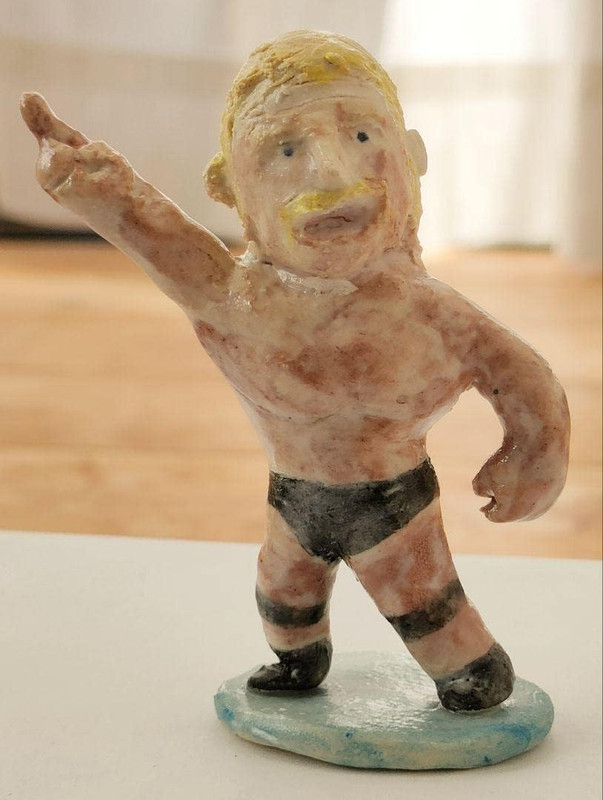
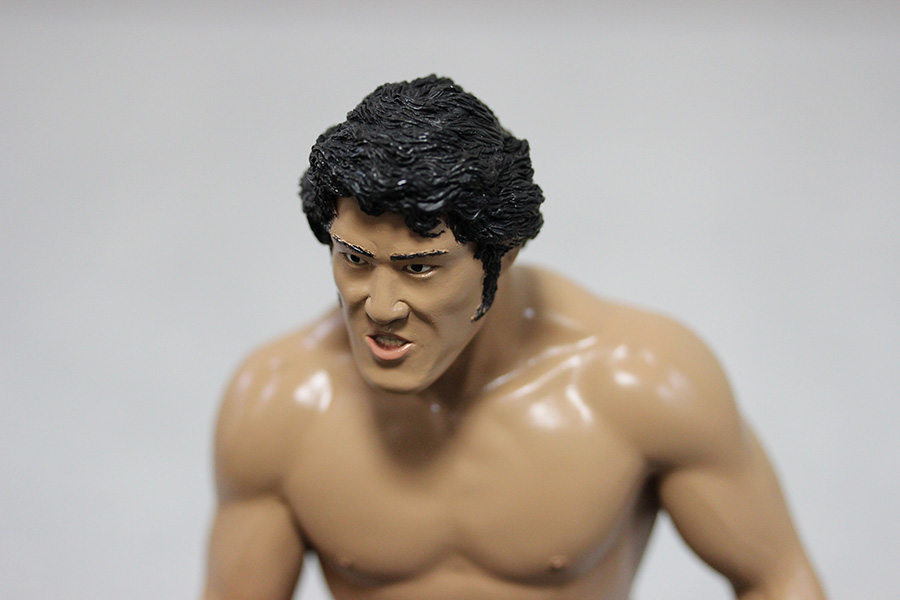
At first, I thought this next figure was a poorly sculpted Stan Hansen or Karl Gotch. Alas, it's officially listed as 'Superman Hulk Hogan'. This is, without a shadow of a doubt, the worst Hulk Hogan figure ever created. Even in ceramic form, it takes an extra special level of talent to mess up the Hulkster this badly.

There is no brand behind these figures. They were listed to Amazon in 2022 and are essentially bootleg
figures. You can find the listings by typing:

Hogan:
懐かしの昭和プロレス超人ハルクホーガンフィギュア

Inoki:
懐かしの昭和プロレス鎮魂闘魂延髄斬りフィギュア 


Sunday, 20 October 2024

The Pro-Wrestling sculptures of Dr. Takuro Horikawa - part 1.

 Blog #266: the Pro-Wrestling sculptures of Dr. Takuro Horikawa.

As popular as Character Product/Charapro's Wrestling figures were in Japan, many collectors wish there were more gaijin's (foreign Wrestlers) added to the roster during the line's original run between the late 90's to late 2000's.

Through the fan-created statues of Dentist Takuro Horikawa, I was reminded of the Charapro figures of yesteryear. Looking at Dr. Horikawa's work, it's easy to imagine what the following legends would have looked like:


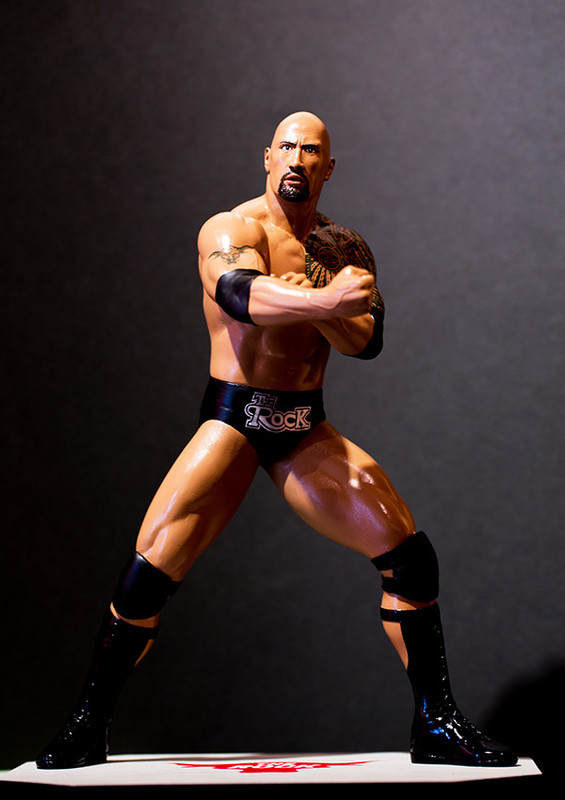
Dwayne 'The Rock' Johnson.


Johnson's easily-noticeable tribal chief tattoo is recreated in expert fashion.


When light glistens upon Horikawa's work, the statues appear to display skin texture.


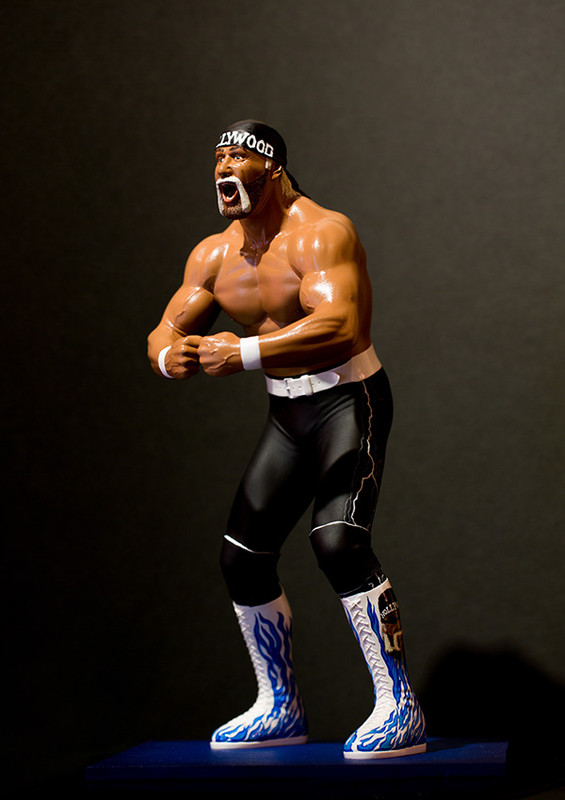
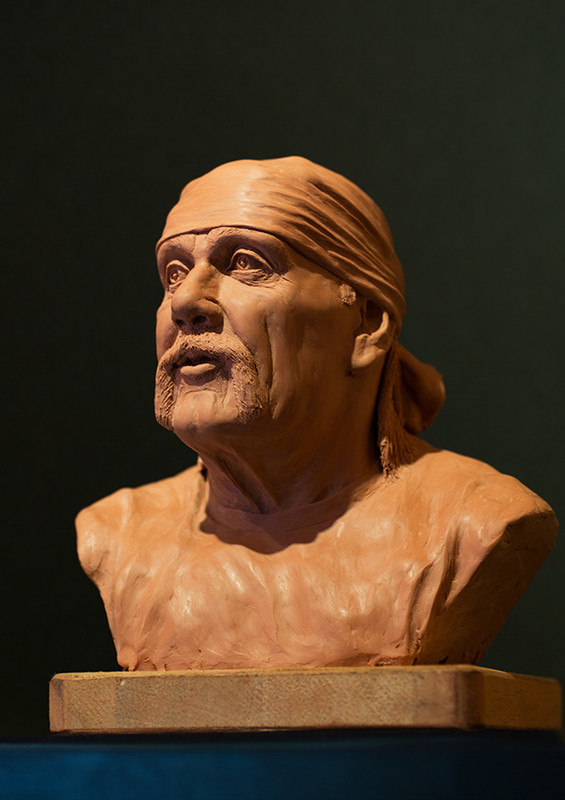
Hollywood Hulk Hogan.


The most-realistic modern Hogan bust I've ever seen.


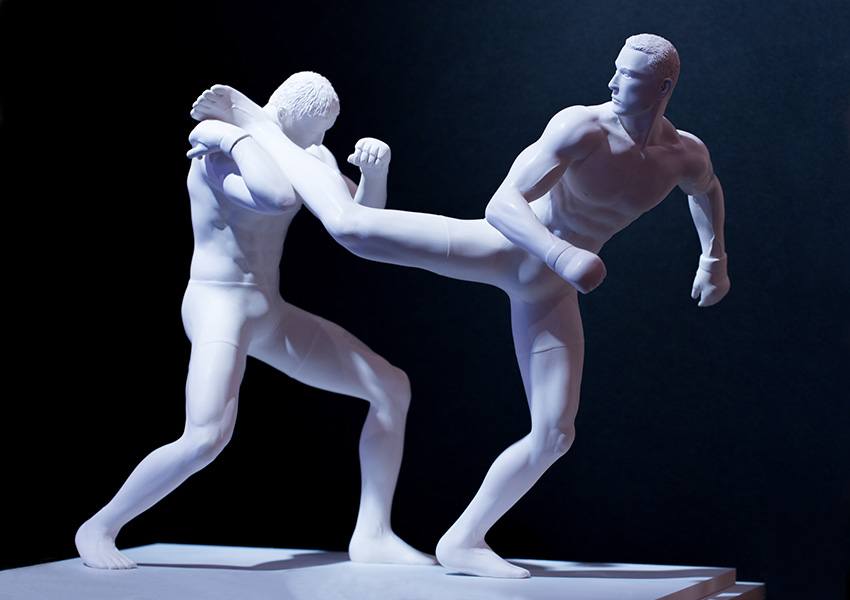
A savate kick. I could certainly see the original Tiger Mask sculpted in this pose.


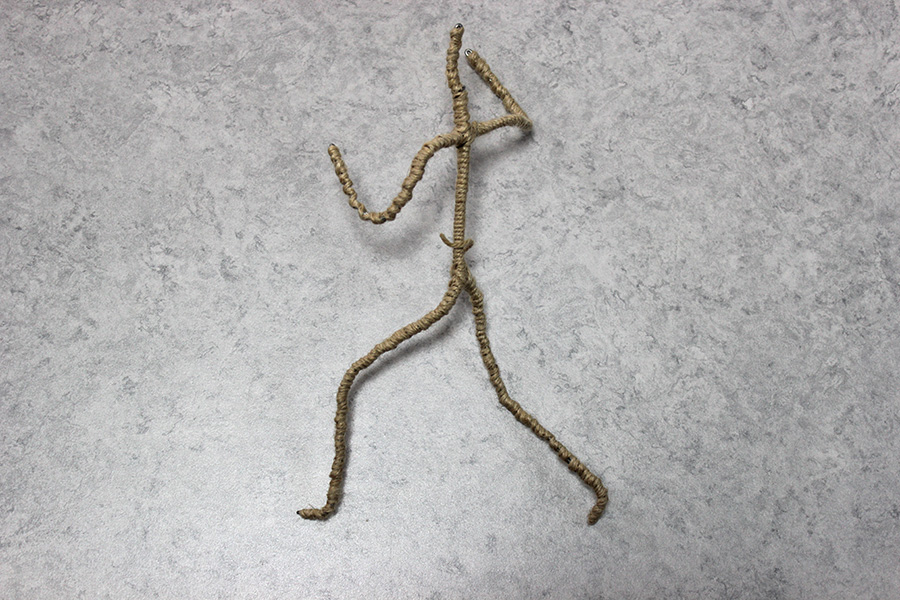
Dr. Horikura starts his statues with a wire base.


A mold is then created.


The realism in Dr. Horikawa's custom work is simply astounding. I can't think of a more-realistic late 70's - early 1980's Antonio Inoki.


Dr. Horikawa's work has been on display in various Art exhibitions alongside his father's paintings. Horikawa says with his limited schedule these days, it takes him on-average, about a year to complete one sculpture from start to finish.

Notice that these statues are much-larger than your standard Charapro.


Another throwback Inoki. This look appears close to Inoki's appearance in the 1970's.


Hands down, the coolest Ichiban-era Hogan likeness that I've ever seen. I also think it's refreshing to see Hogan not sculpted in a raised #1 finger pose; as he is often depicted doing so from this time in his career.


Thursday, 24 February 2022

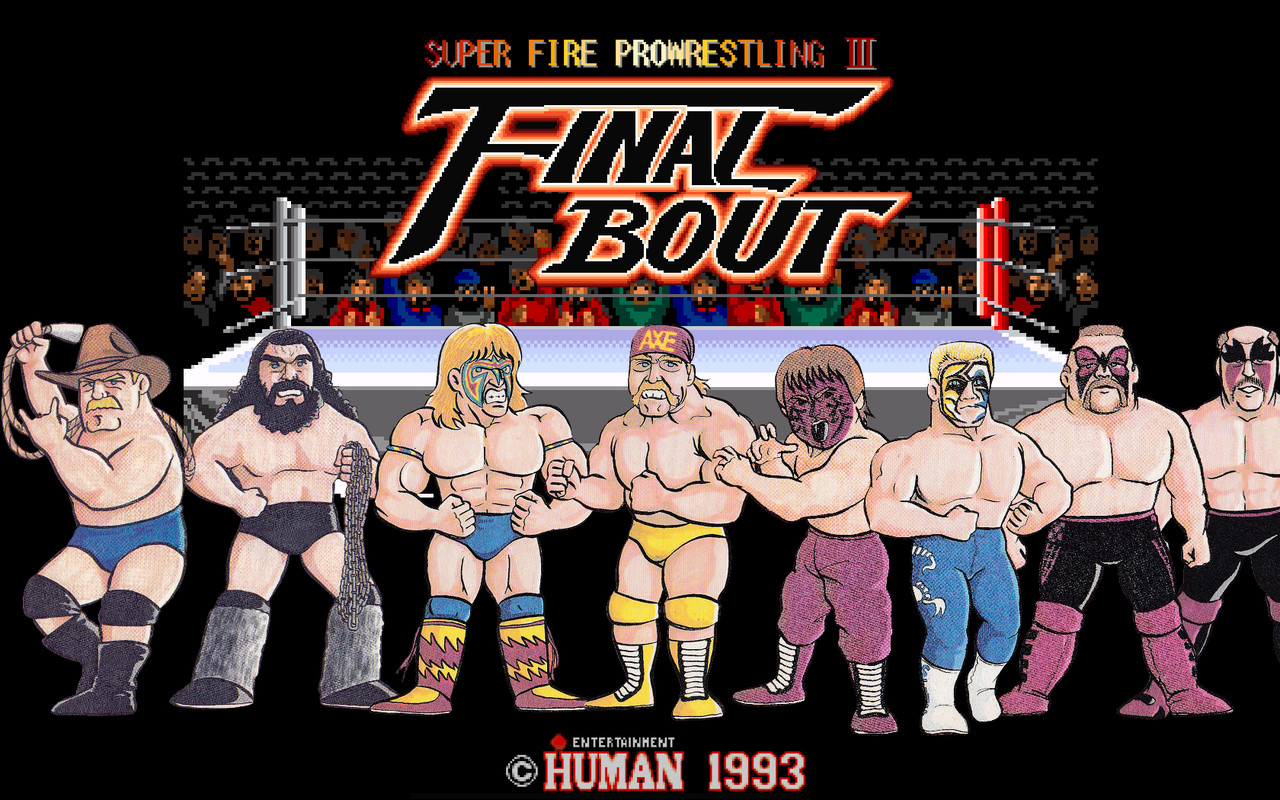
Guidebook #1: Super Fire Pro-Wrestling III Final Bout Scans

First of all, I'd like to wish everyone a happy and productive New Year.

Working with the fine folks over at Critical Club, I've been archiving (and translating)
game guides from Japan.The likenesses, the golden age of Puroresu and the nostalgia all
rolled into one.


Collage created by yours truly.

127 pages, 64 Wrestler illustrations, codes, finishers; plus an interview with The
Great Sasuke himself! Blog #234 takes a complete, page-to-page look at the
Super Fire Pro-Wrestling III Final Bout Techniques guidebook:

You can check out the full guide:

HERE<----------------------


Saturday, 17 July 2021

NITTO Hulk Hogan Model Kit from Japan

One of the absolute highlights of discovering Japanese Pro-Wrestling figures is the art of
uncovering rare gems from decades past.

Figures of recognizable foreign faces that appeared in Japanese figure lines long before the
WWF even thought about merchandising. The world's first Andre The Giant figure? Japan.
The Funks? Japan. Harley Race, Stan Hansen, Bob Backlund, Bruiser Brody and Abdullah
The Butcher? Yep. You guessed it ...all first made in Japan.

Today, we'll be adding another figure first to the list. Be prepared to say your prayers and
eat your vitamins with Blog #185 which puts the Leg Drop on the Nitto Hulk Hogan model
kit.


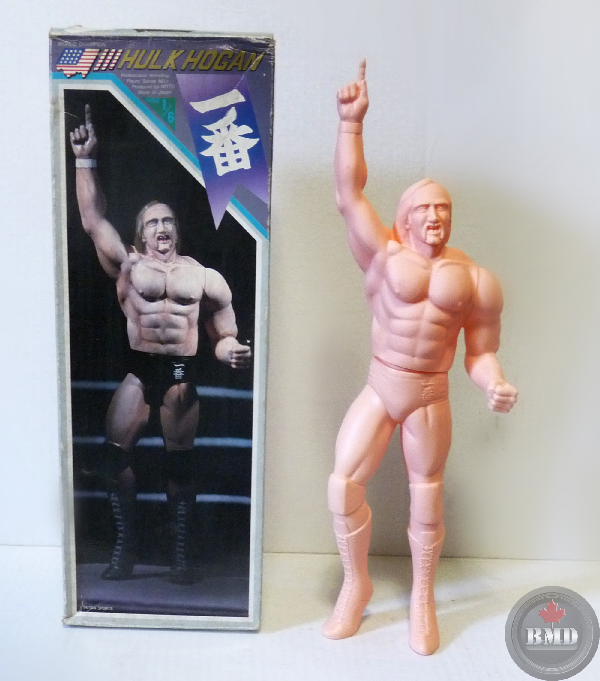
Hulk Hogan Nitto Model Kit


Known in Japan as "ハルク・ホーガン ニットーソフビフィギュア" (Hulk Hogan
Nitto Sofubi Figure).


Long before the dawn of Hulkamania in the west, Hulk Hogan was a prominent star
in Japan under the New Japan Pro-Wrestling promotion. As such, Japanese Toy Maker
Nitto decided to release a model kit based on the Immortal One as part of the company's
Professional Wrestling Series.


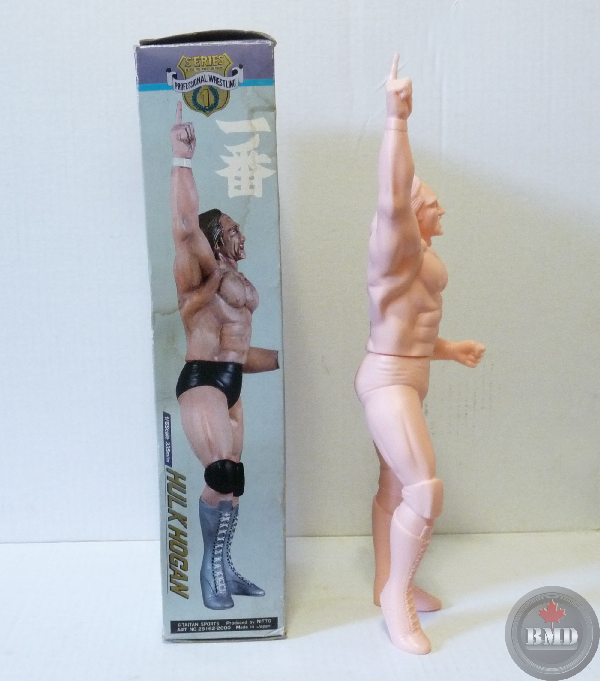
The unpainted Hogan model kit stands 33.5 cm (13 inches tall).

The front of the box features a painted picture of Hogan in his New Japan era ring attire
which consisted of black trunks inscribed with the Japanese Kanji "一番" (Ichiban
which means "Number One"). If you look closely, the kanji for Ichiban is moulded
into the Hogan model's ring trunks.

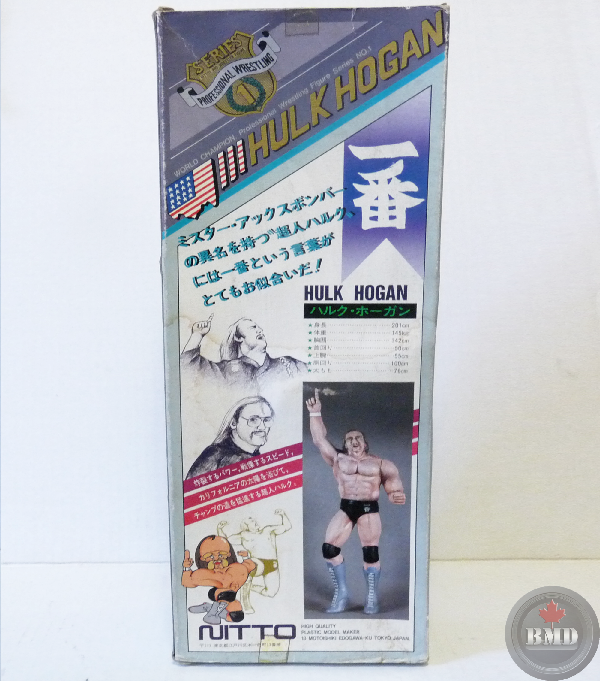
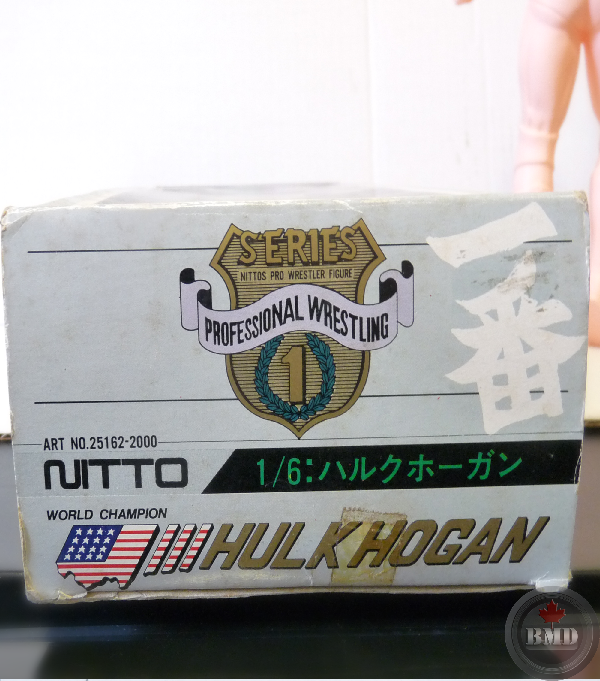
Ichiban also appears on the top right of the packaging next to Hogan's name.


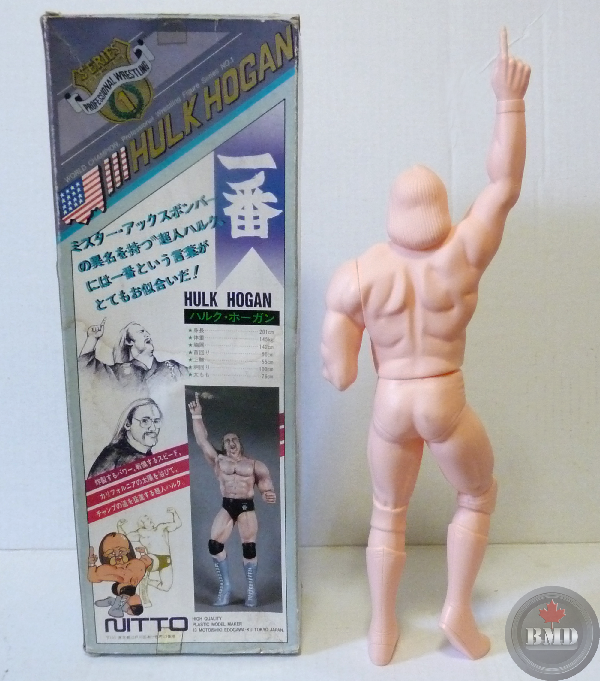
The back of the box contains many great illustrations of Hulk Hogan along with a goofy
caricature at the bottom left corner.


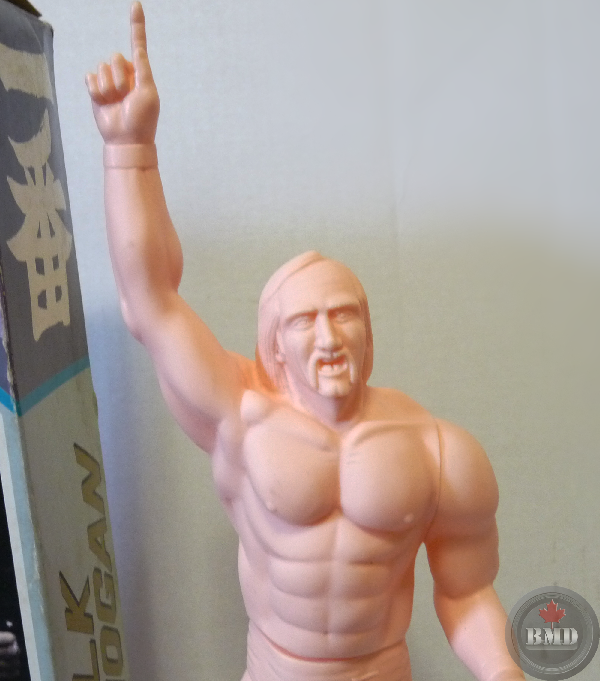
Just in case you didn't know he was number one, Hogan is sculpted with an upwards
finger point.


The Nitto Hulk Hogan model kit predates Hogan's first action figure (which was made by
POPY) by one whole year in 1980.


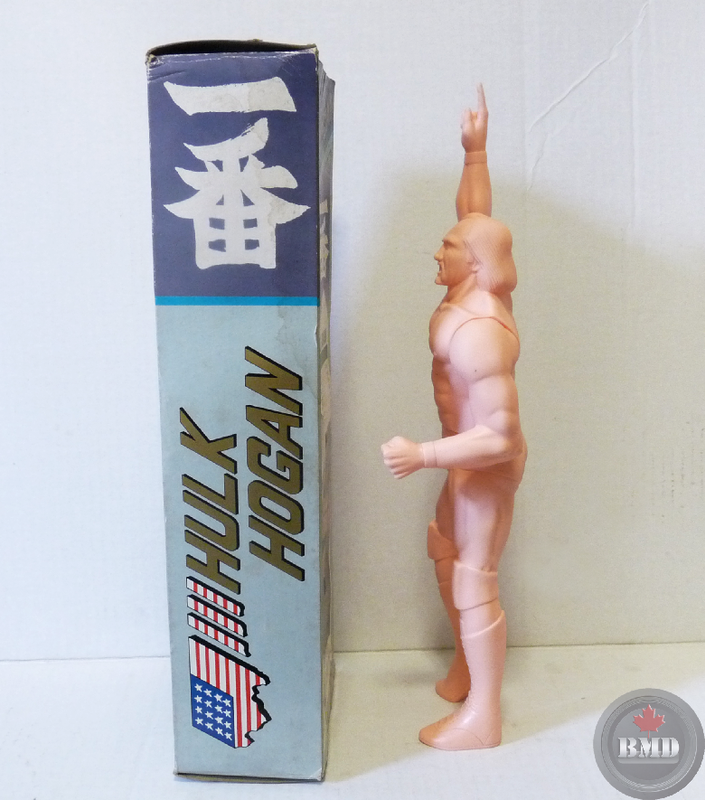
Interestingly, the bottom portion of the side of the packaging mentions the Hogan model kit
was licensed by "TAITAN SPORTS" (they were going for Titan Sports - WWE's parent company).


The middle-right of the box strangely lists Hogan's various physical attributes such as
height, weight and muscle measurements.

The description in Japanese even refers to Hogan as "Mr. Axe Bomber" - a nod to Hogan's
Axe Bomber (Lariat) finisher in Japan.


Closing thoughts:


Despite being released one year prior to the incredibly valuable POPY Hulk Hogan Super
Pro-Wrestling Series action figure, the Nitto Hulk Hogan model kit is more common (and
less valuable) than one might think.

Compared to a whole line of blister-carded action figures, unpainted model kits are, for better
or worse, a niche market for collectors at best. The biggest testament to this statement are the
number of unpainted Hogan model kits that still pop up for sale across the web 41 years after
the Nitto Hogan model kit's initial release.

As to my knowledge, Hulk Hogan was the only Pro-Wrestler added to Nitto's Professional
Wrestling Series.

Though, at 13 inches tall, made of hard, durable plastic (whereas most Japanese figures are
made of a cheaper PVC material these days) and one of the very few examples of Hogan
crafted in his pre-WWF attire, the Hulk Hogan Nitto model kit is still a great figure to own
and an early example of how Japan was always one step ahead of the curb when it came to
marketing.


Wednesday, 30 January 2019

Japanese Roller tron Plush Figures review

Welcome back to the largest source of Japanese Pro-Wrestling collectible
information on the web. In these pages, you'll find over a thousand product
photos, in-depth reviews as well as the real-life history behind the collectables.

For blog #114, we'll be stepping back almost 30 years ago to cover a series
of Pro-Wrestling arcade prize items that were only released in Japan.

Blog #114 - Roller tron plush figures:
_______________________________________


Before there were plush, there were the "Supershows".

In the early 1990's, Wrestling history was made when the WWE (then WWF),
WCW, NJPW, SWS and AJPW Wrestling promotions joined forces for a series
of  dream match "supershows".

The first supershow (the "WWF/NJPW/AJPW Wrestling Summit") was held
on April 13th, 1990 at Japan's Tokyo Dome, which featured the WWF's biggest
stars of the era such as Hulk Hogan, Andre The Giant, The Ultimate Warrior,
Jake "The Snake" Roberts,  "Macho Man" Randy Savage and Bret Hart take on
Japanese legends Genichiro Tenryu, Giant Baba, Jumbo Tsuruta, Mitsuharu
Misawa (as Tiger Mask II), Kenta Kobashi and Toshiaki Kawada among others.

The initial success of the WWF/NJPW/AJPW Wrestling Summit spawned
four more events to follow: the "WWF/SWS WrestleFest at Tokyo Dome"
(Genichiro Tenryu and The Great Kabuki's start-up promotion which would
eventually become W.A.R.) on Saturday, March 30th, 1991 and the "WCW/
New Japan Supershow
" events which ran from March 21st, 1991, January
4th, 1992 and one year to the day once again on January 4th, 1993.


Enter Rollertron.

with the initial success of the Supershows in Japan, NJPW, AJPW and SWS
were quick to put out figures based on the Wrestlers featured at the events.

The plush figures were first created by Japanese company Rollertron around
1991, which supplied the plush to Japanese Arcades to be used as prize items
in each Arcade's popular Crane Claw machines.

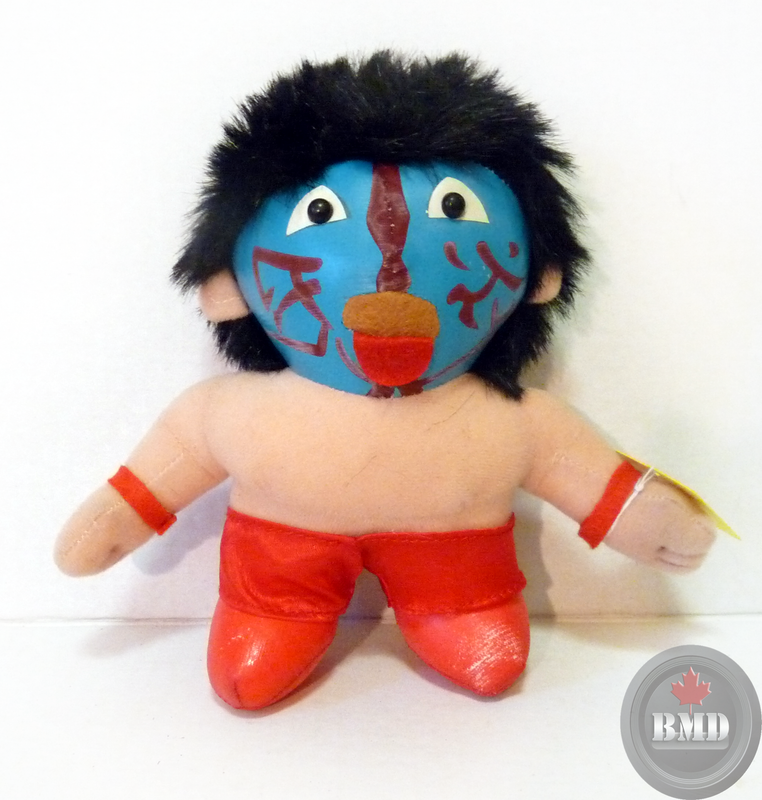
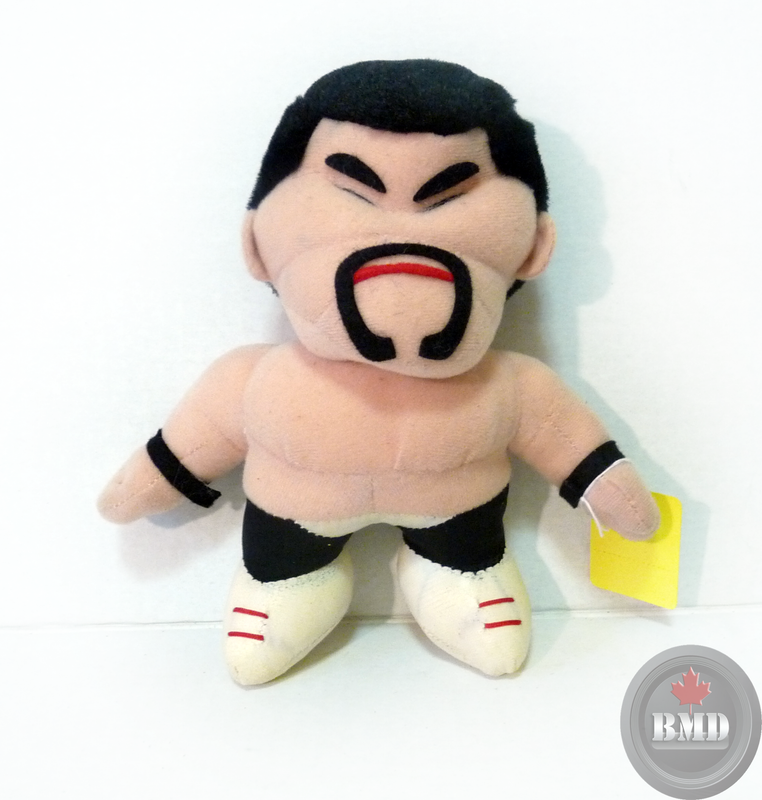
The official name of the plush line is "ローラートロン レッスルフェスト
プロレスぬいぐるみじゃい
" (Rollertron Wrestlefest Pro-Wrestling Plush
Toy".

Not since BANDAI's 1986 "The Wrestler" series of Keshigomu erasers
(which you can read more about HERE) has a diverse roster of popular
Gaijin talent been included in a Japanese Wrestling product.

Let's take a look at some of the Wrestlers featured in the first two series':
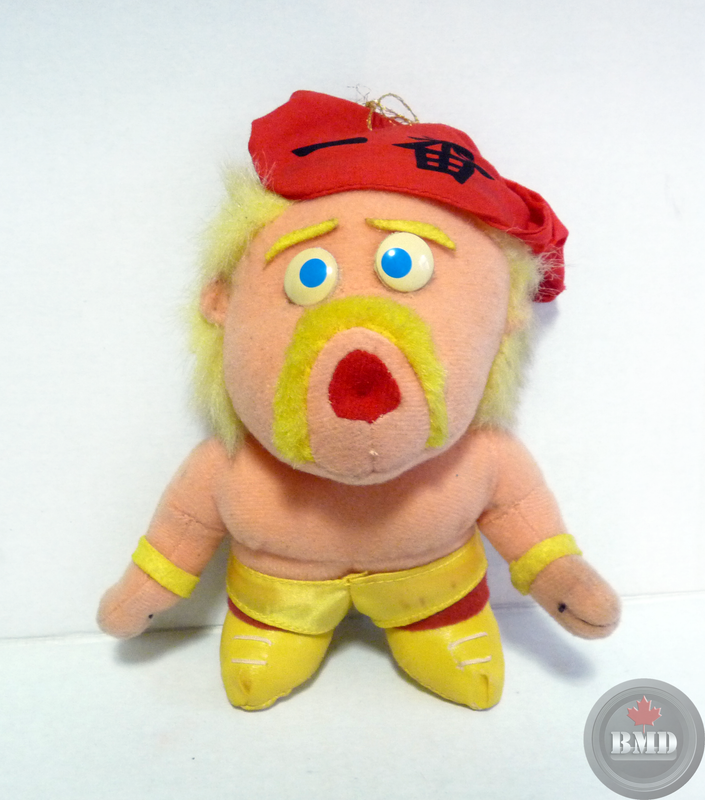


"The Immortal" Hulk Hogan - who looks like he just seen the scariest movie
of all time.

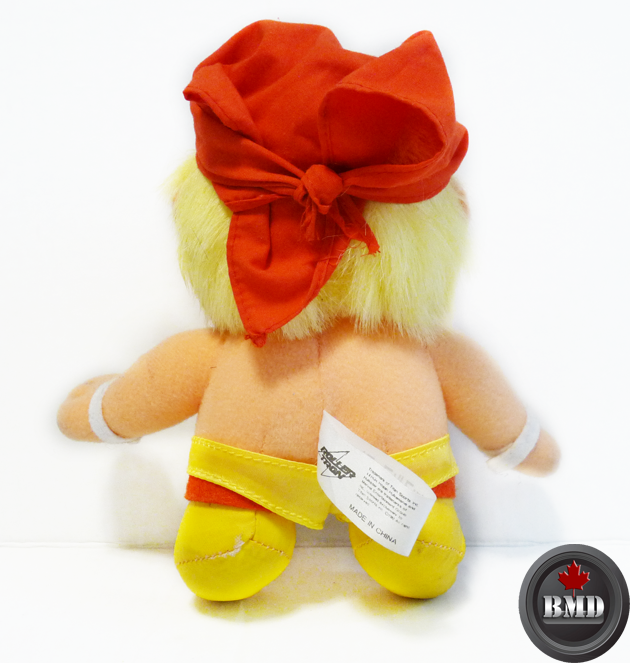
The Japanese writing on Hogan's bandana reads "一番" (Ichiban - which is
Japanese for "Number 1") which Hogan had emblazoned on his ring trunks
while competing in NJPW in the very early 1980's (Pre-Hulkamania era).
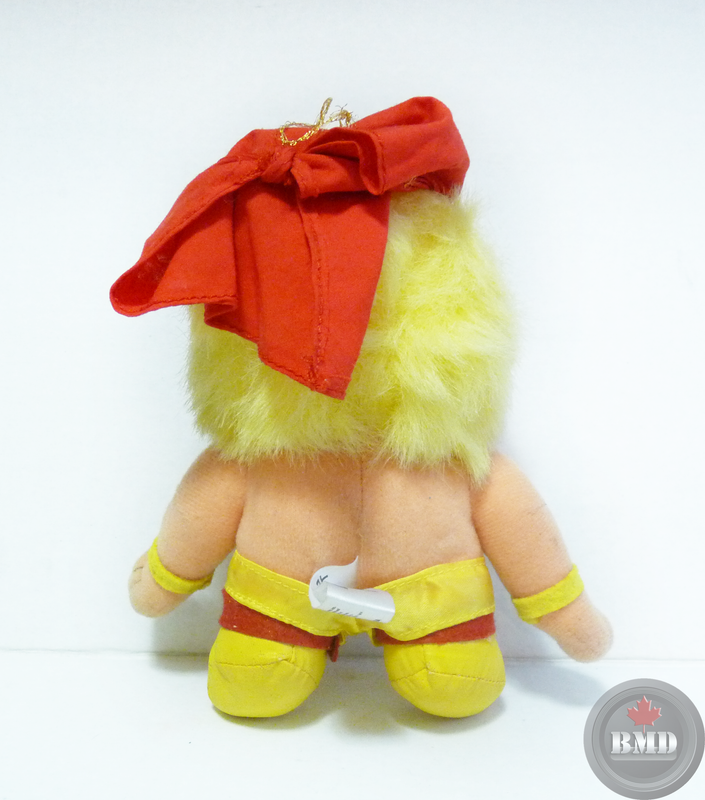


Hogan's bandana (which can be unraveled) is sewn to the Hogan plush's
head. There is also a golden string at the top of Hogan's bandana for display
purposes.
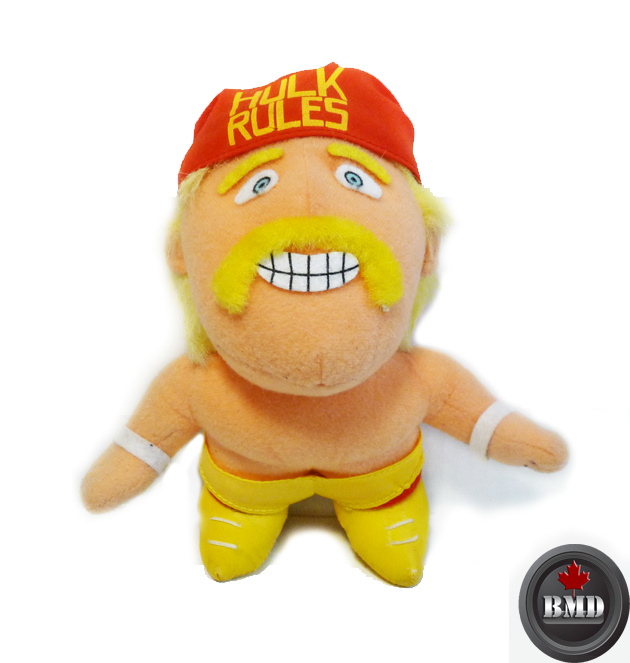
                             

The series 2 variant of Hogan features Hogan's classic "HULK RULES"
slogan on the Hulkster's bandana.

The art direction for series 2 reminds me of the WWE's "Bleacher
Creatures" line of plush.


Again, Hogan's Bandana is sewn to the Hulkster plush's head.
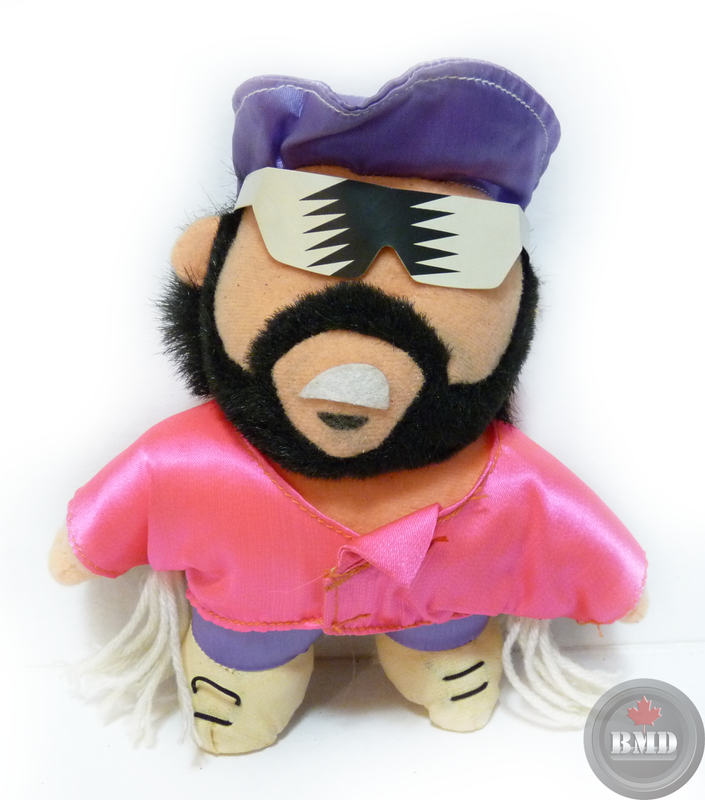


"OOOOOH YEAH!" another popular addition is the late, great "Macho
Man" Randy Savage.
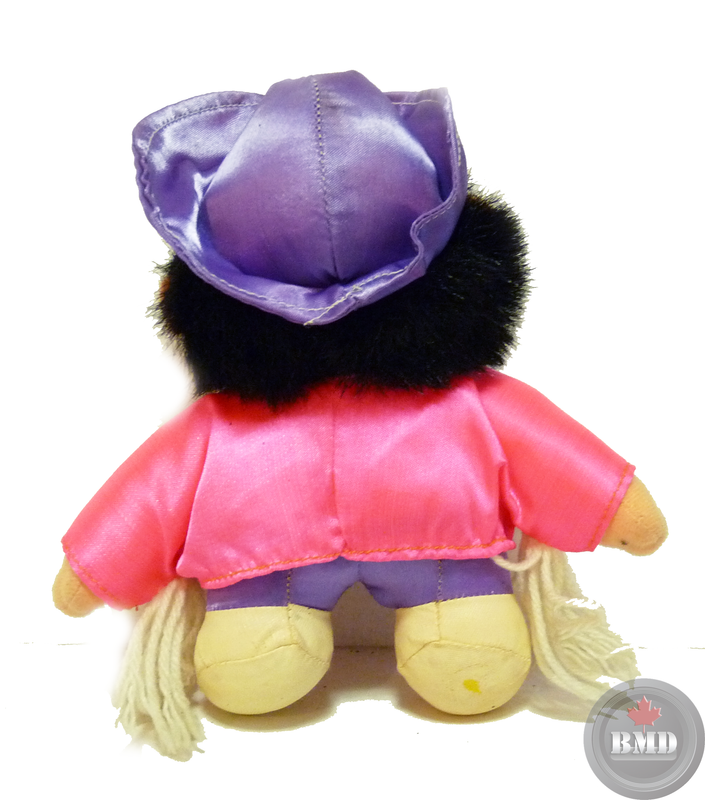
                              

Complete with bushy hair, colourful attire, fringed sleeves and signature
glasses, it's easy to see why the Macho King is a series favorite.

A common side effect with these plushies is their discoloration brought
on by age (look at Macho's fringe and boots).
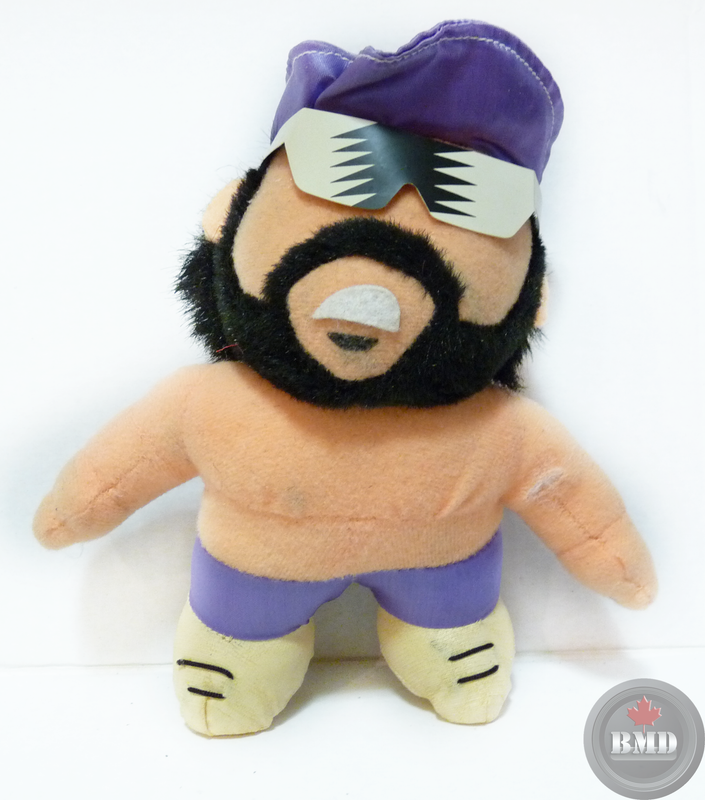
                               

As an added bonus, you can even remove Macho's polyester jacket
(which is held together with Velcro).
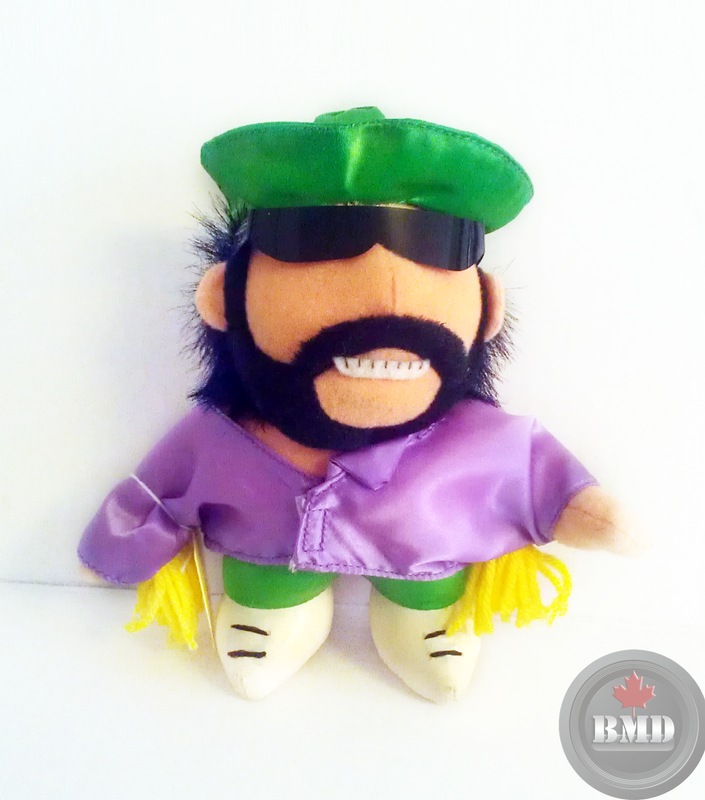
                               

No, it's not Lemmy Kilmister of Motorhead. Macho's series 2 variant
features yellow fringe, green tights/hat, a purple polyester jacket and
dark shades.
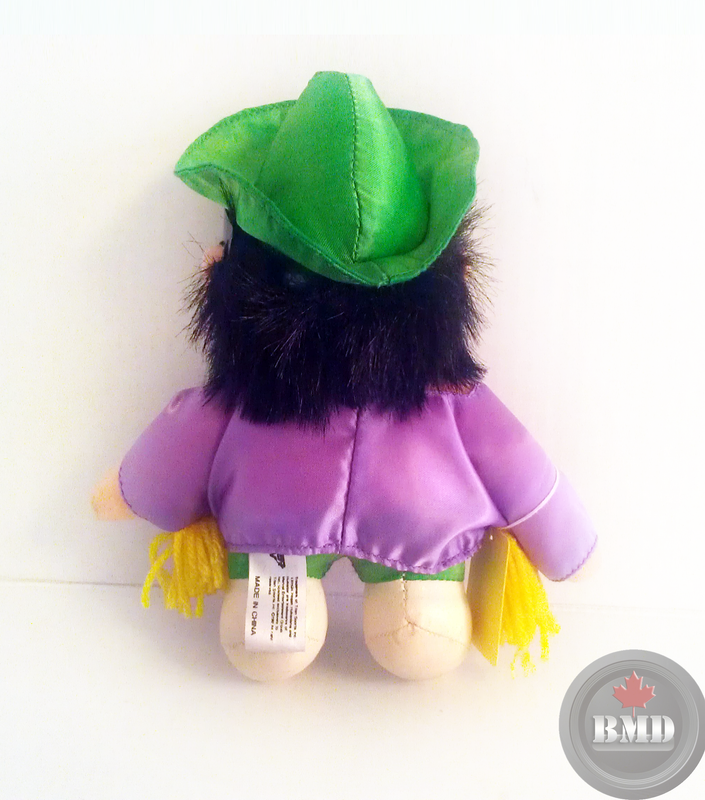


Just like the last variant, Macho's Velcro jacket is also removable.
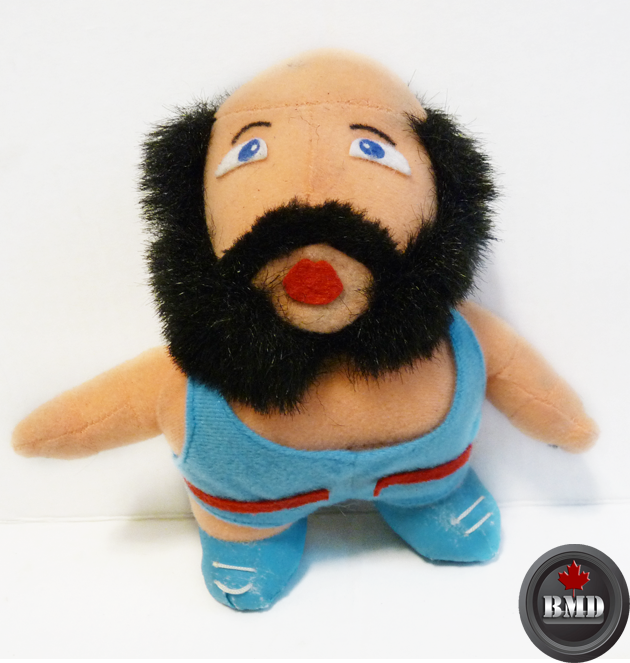


The next addition is another Wrestler who got his first major push in
Japan, the late John "Earthquake" Tenta.
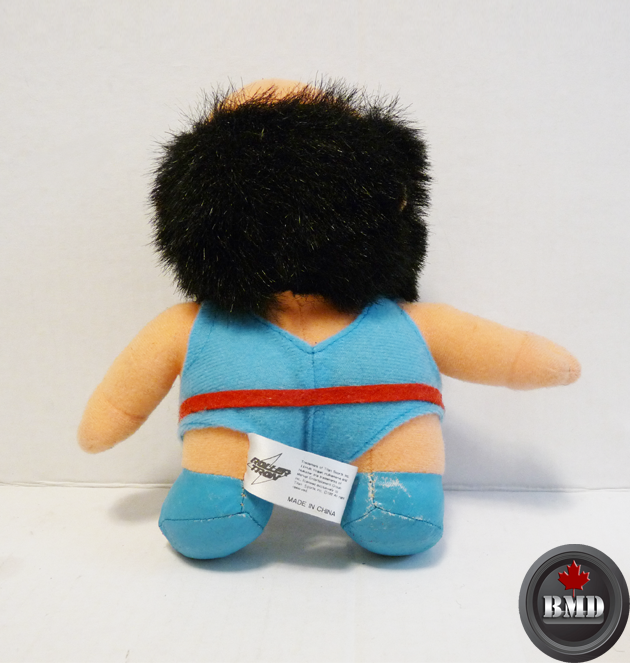


Earthquake is featured in his classic blue debut attire with red belt.
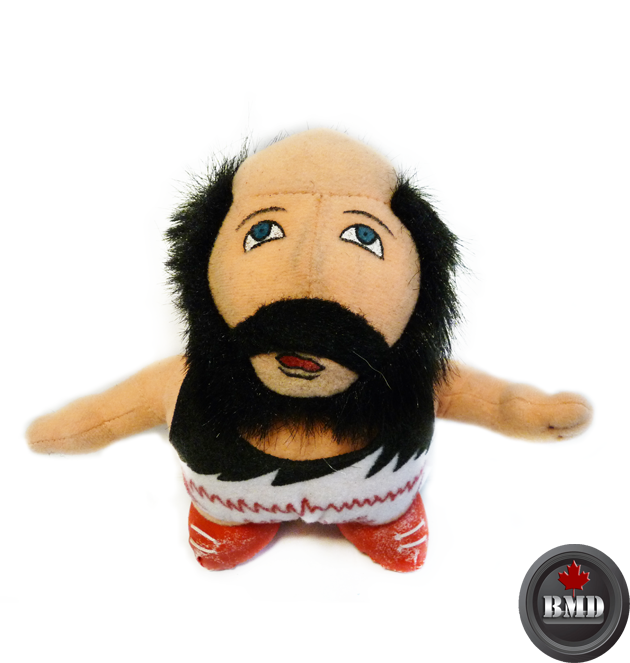
                       

The series 2 variant (which you can identify by art style of each Wrestler's
eyes) of Earthquake in his time-accurate Natural Disaster's tag team attire.

Earthquake's face is another example of how dirt accumulation and
aging over the years can affect these plush figures.
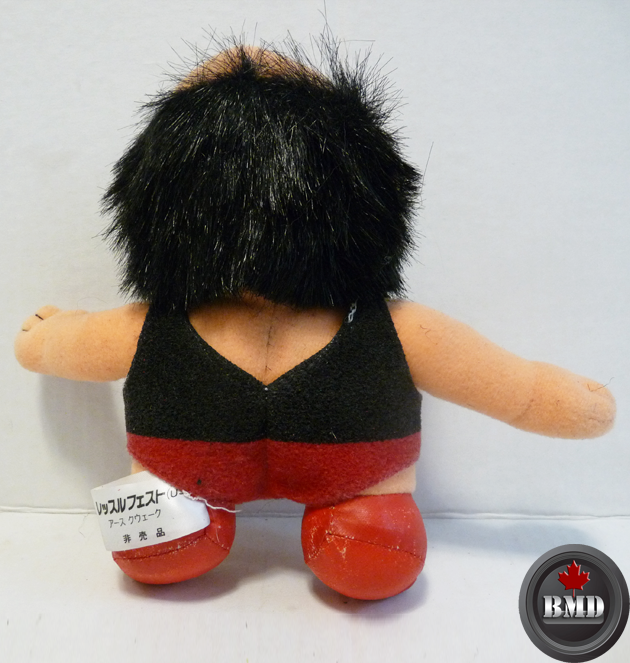


Unfortunately, Earthquake's Natural Disasters tag partner Typhoon was not
added to the Rollertron series 1 or 2 lineup.

It's worth noting that both Earthquake plushies are the only figures
released of Tenta in Japan.


My absolute favorite figures from the set are of the legendary tag team "The
Road Warriors".
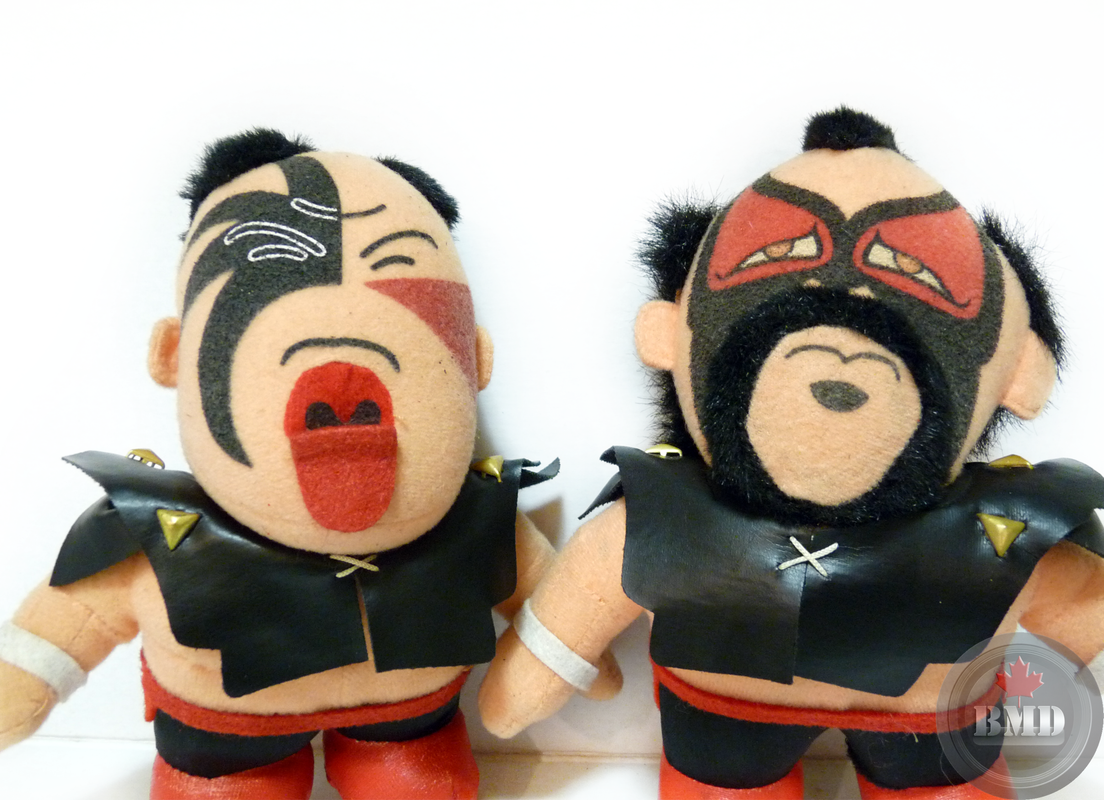
                               

Both Road Warriors come dressed in their classic black shoulder pads
entrance attire.

Road Warrior Hawk features an outstretched tongue, thin mustache and
intense facial expression. Road Warrior Animal also comes in matching
attire with a stoic facial expression.
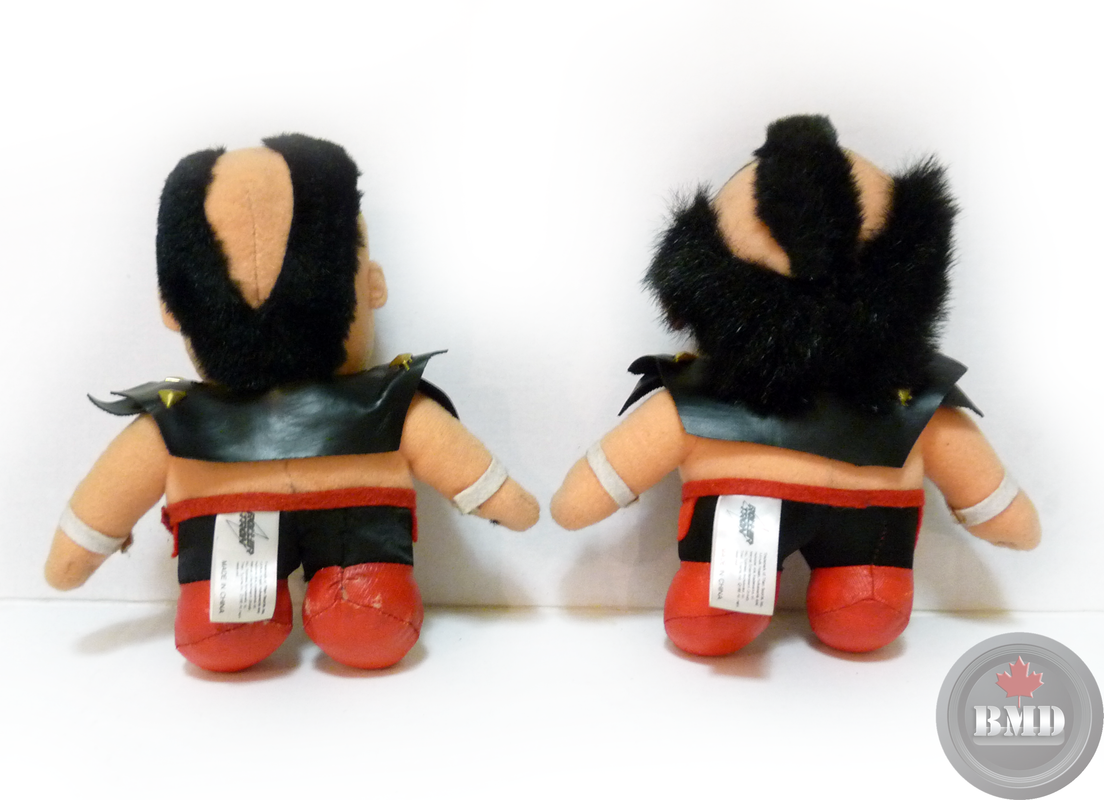


The shoulder pads cannot be removed without damaging the plush (which
is a real shame).

Wrestling trivia:  the Road Warrior's famous hairstyles were inspired by
the original Mad Max movie which came out in 1979. Road Warrior Hawk
then suggested that both tag members have similar "connecting" haircuts
which would become the duo's iconic look.
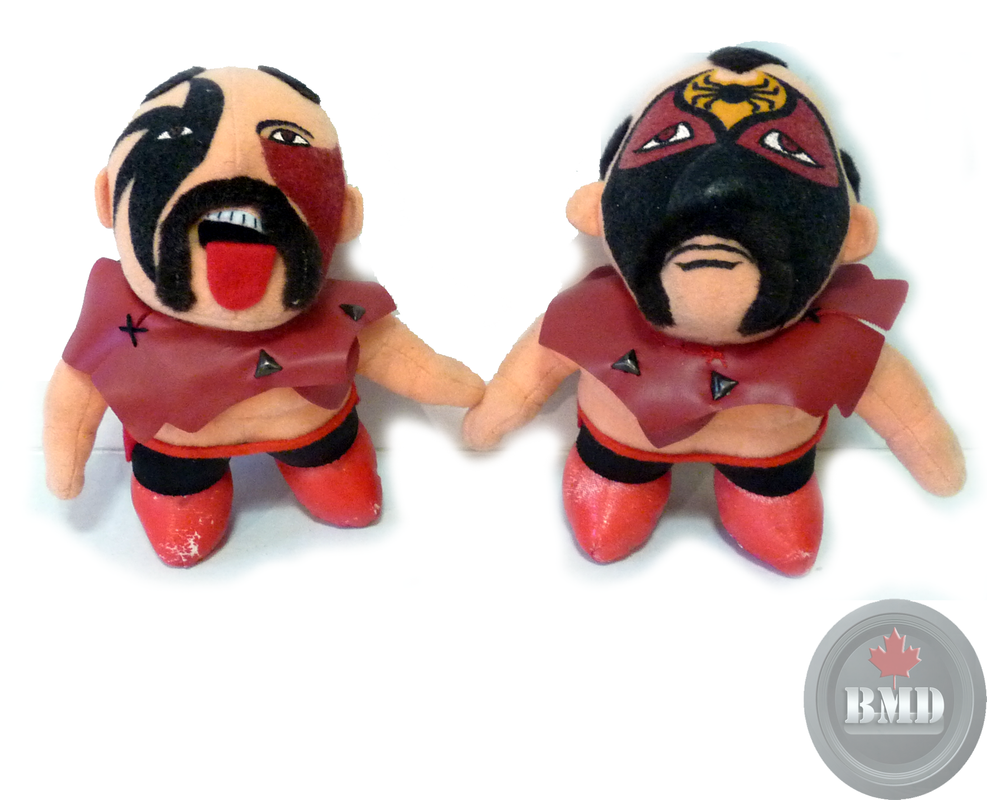


The second variant (I believe both sets were released in set 2) features
the Road Warriors in their modern Red shoulder pads.

Both Animal and Hawk now contain  a fabric, handlebar mustache.
Road Warrior Animal also includes updated facepaint with his iconic
spider design.
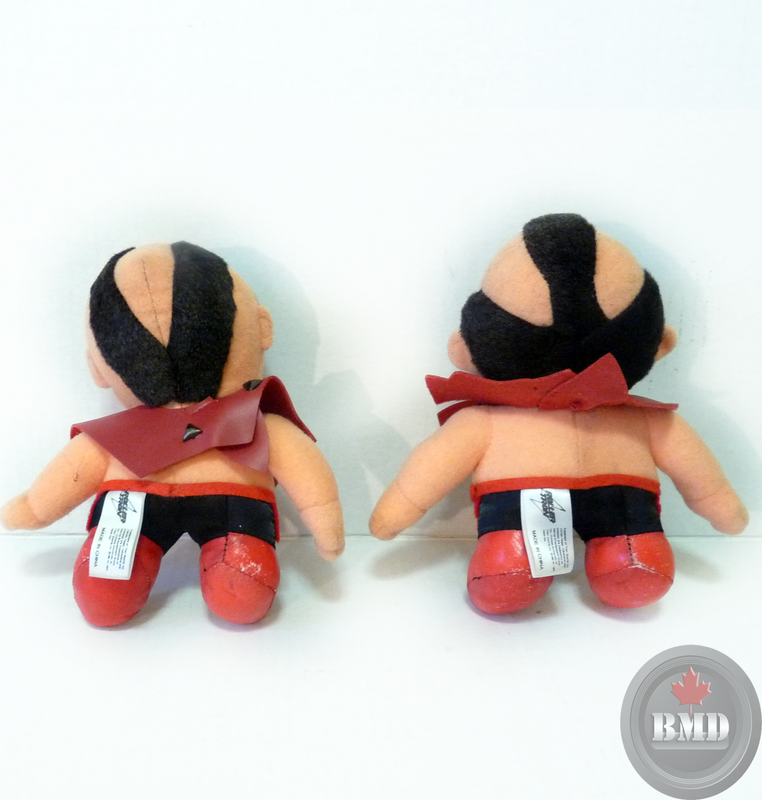
                            

Again, the duo's shoulder pads are not removable.
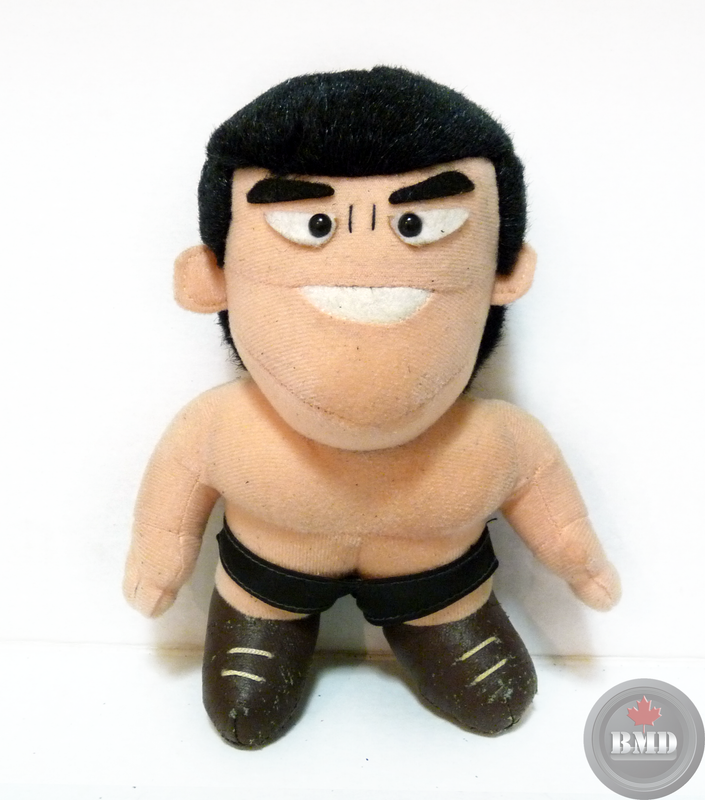
                               

The first Japanese figure of the set is NJPW founder and Wrestling icon
Antonio Inoki.
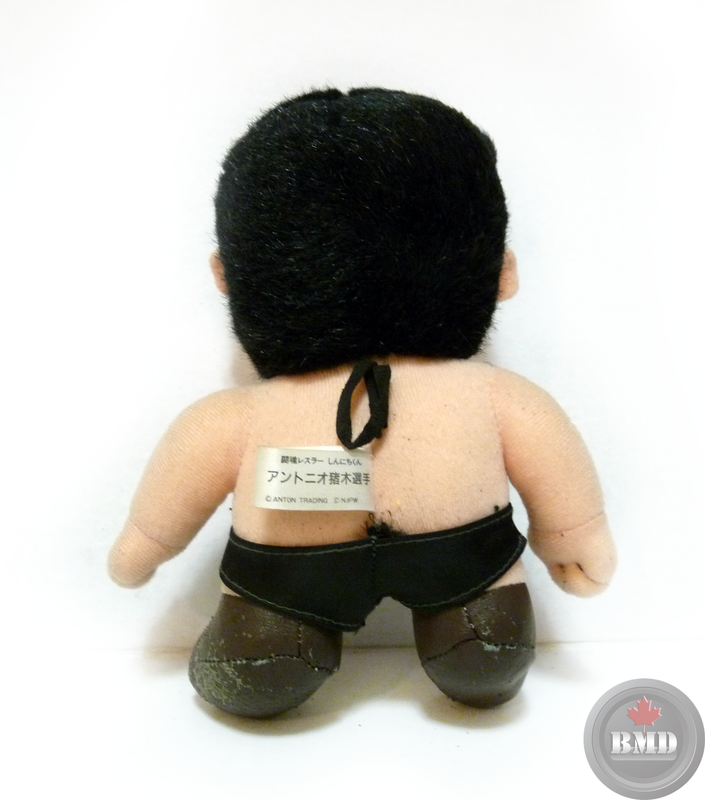


Antonio Inoki comes with a fabric string on his back for display.
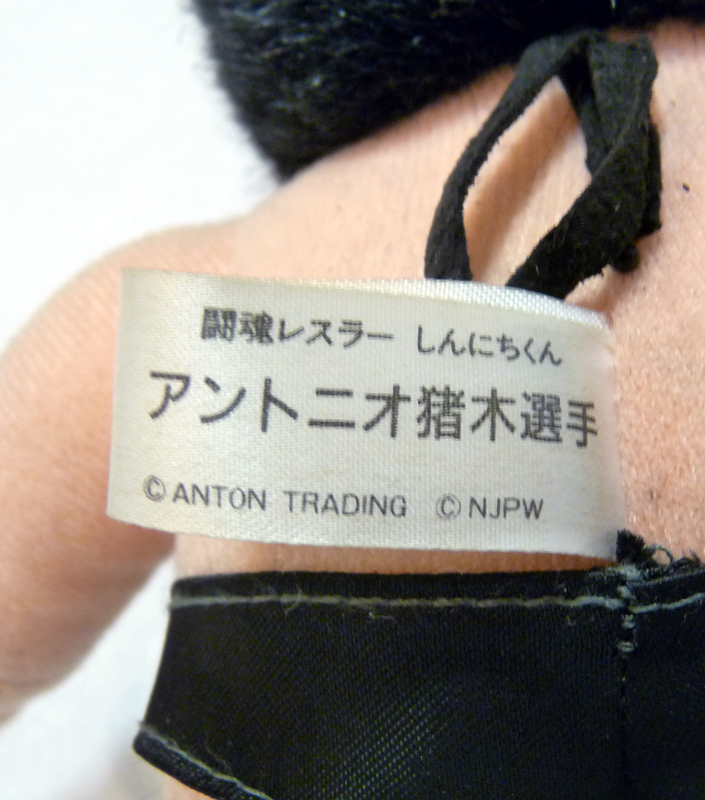


Antonio Inoki's name is written in Japanese along with his own early 90's
copyright "(C) ANTON TRADING" (which would become "Inoki
International" in the years to follow.
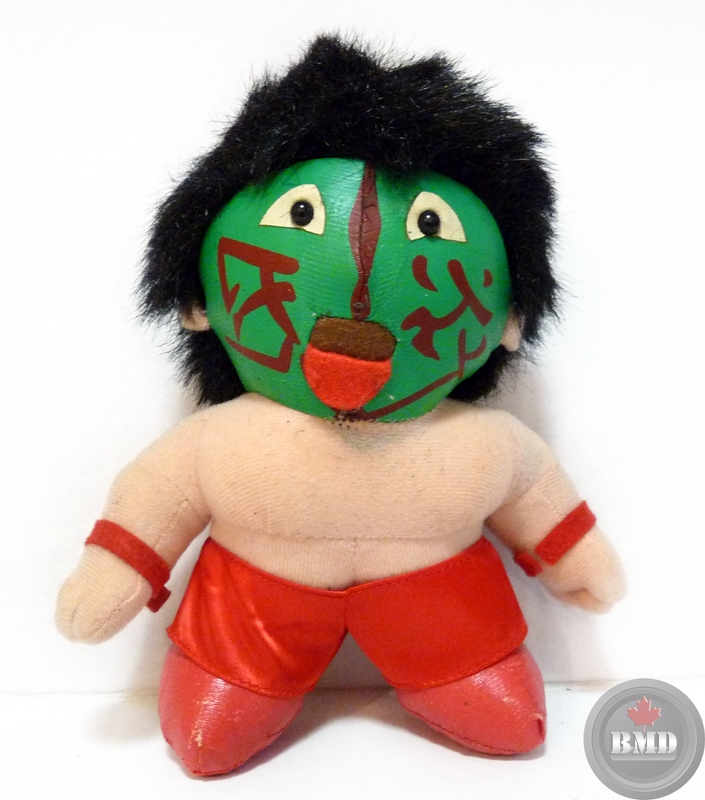
                             

Another popular addition to the first two waves of plush figures is The
Great Muta (Keiji Mutoh).
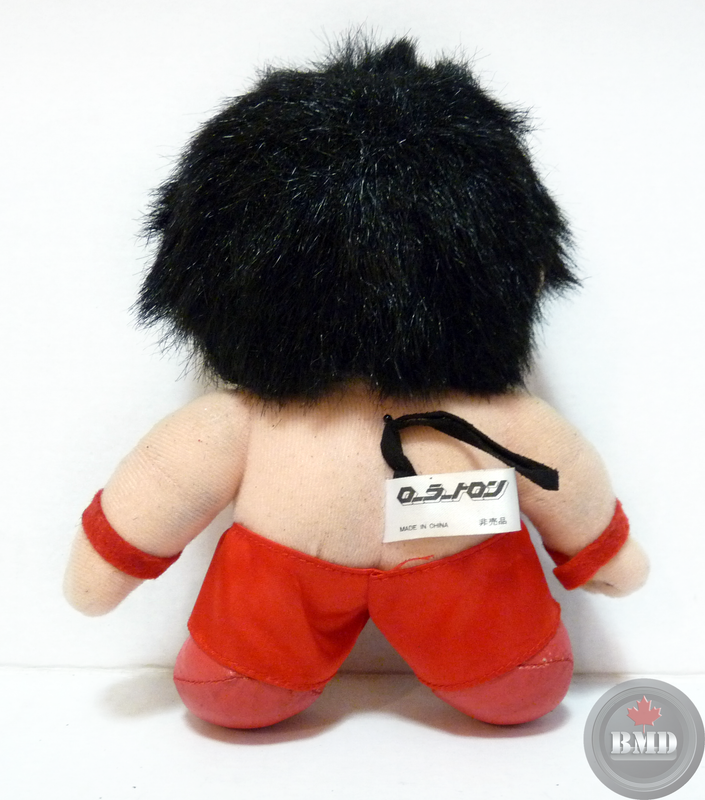


The Great Muta contains a fabric hook on his back along with a tag that
reads the "Rollertron" in Japanese.

Just like The Road Warriors plush sets, Great Muta was also released in a
special blue facepaint variant.

To date, I believe this is the only Great Muta figure released with blue facepaint.


The handlebar mustache trend continues with Masahiro Chono's first
-ever figure.

This design is based on Chono's pre-heel turn (which would happen
after Chono's third G1 Climax victory in 1994).
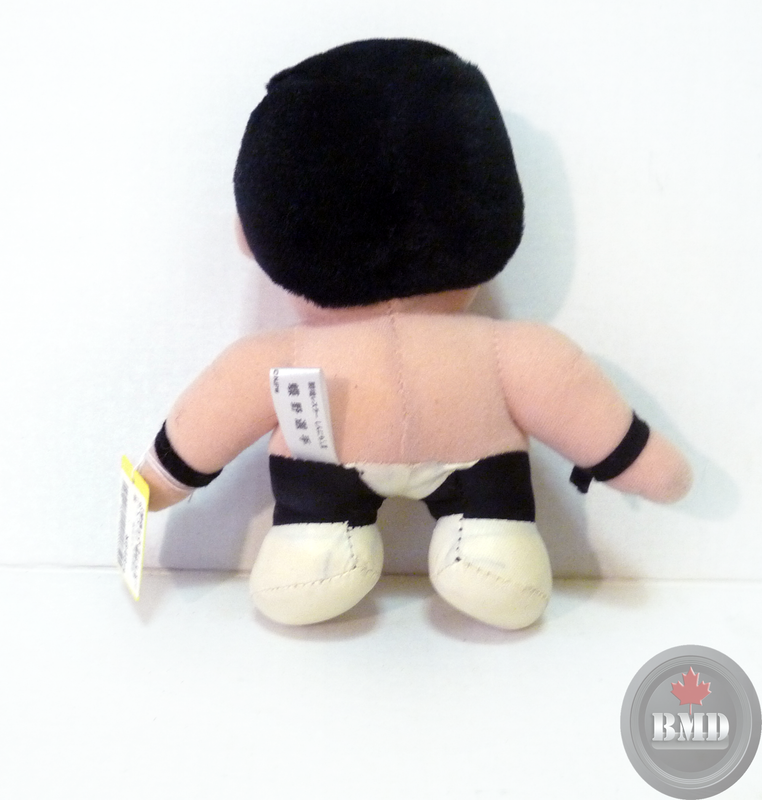


Speaking of Wrestling angles,


the third member of NJPW's infamous "Toukon Sanjuushi" (Three
Musketeers) group, "the king of destruction" Shinya Hashimoto.


Shinya's only figure to feature facial hair is based on Hashimoto's contro
-versial feud with Tony "Ludvig Borga" Halme.

On December 26th, 1990, Halme had defeated Hashimoto in the first of a
series of matches billed as "Wrestler vs Boxer" (one of the earliest
examples of New Japan incorporating mixed martial arts matches into
their cards) fights.

As New Japan storylines go, Shinya would take a voluntary leave of absence
to begin training in "China" in order to prepare for a series of return fights
against Halme.

The bearded Hashimoto figure is based on Hashimoto's October 5th, 1991
return match against Halme where Hashimoto defeated Halme 4 rounds
and 14 minutes into the fight (via Arm bar).
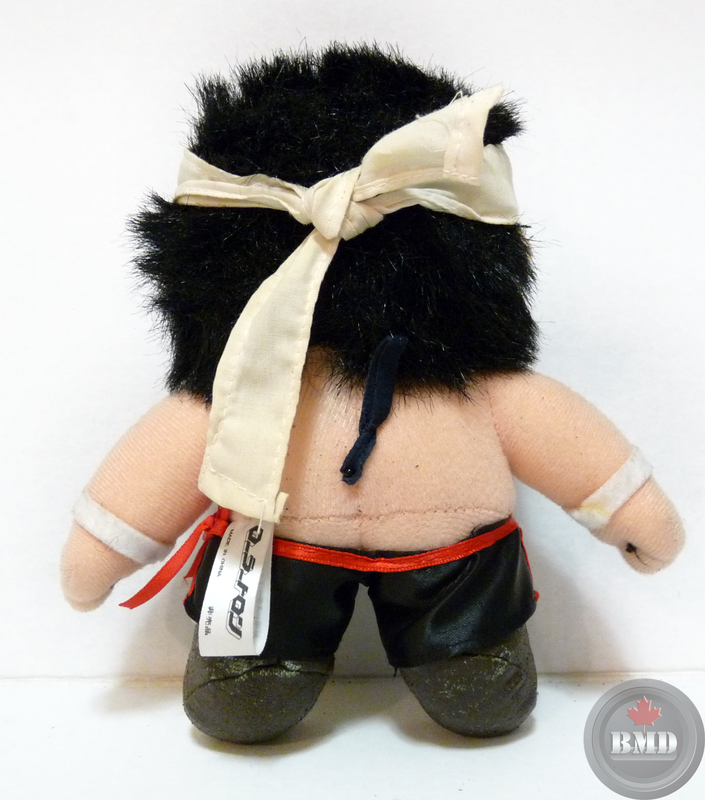


Hashimoto's only plush figure comes with signature (and removable) hatchi-
maki headband and waist belt.
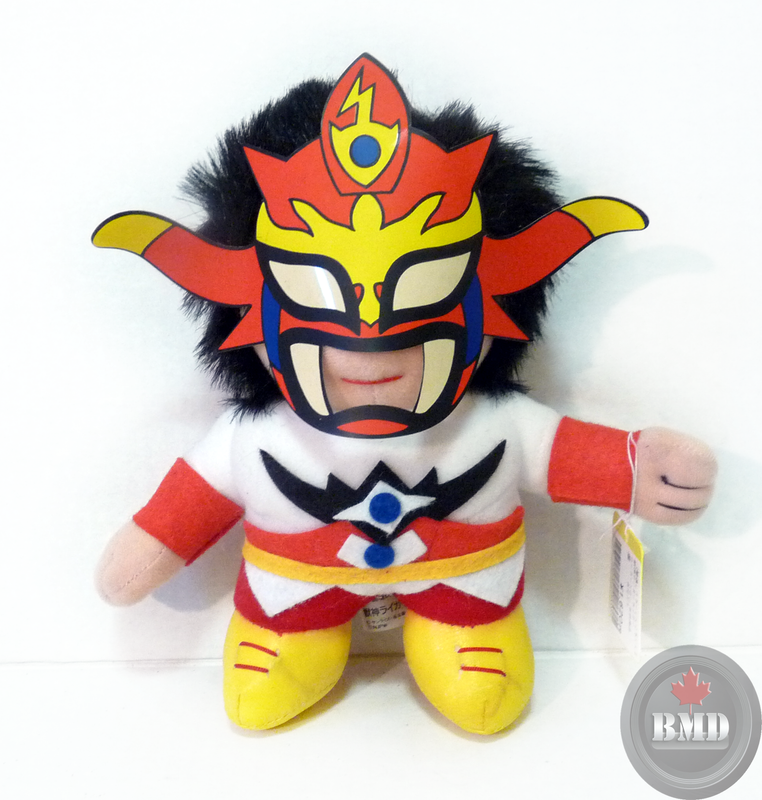
                      

Another sought-after piece is the Jushin Thunder Liger plush (which would
be one of Liger's first-ever figures in general).


As cool as the Liger plush is, I feel the cardboard-like face mask slightly
cheapens the product.

Other figures from the first two sets include Big Van Vader, Kazushi
Sakuraba (in Strong Machine-inspired entrance mask) and an unofficial
Abdullah The Butcher figure (with chain accessory and stitches in
exchange for Abby's famous head scars).